Laylat al Qadr is the most sacred night in the Islamic calendar, a night when the mercy of Allah descends in abundance and sincere worship carries immense reward. Many Muslims spend the final nights of Ramadan searching for this blessed moment, increasing their acts of devotion, reflection, and supplication. At the center of these acts of worship is the laylat al qadr prayer, the night prayer performed with sincerity and hope for Allah’s forgiveness.
The Qur’an describes Laylat al Qadr as a night better than a thousand months, meaning that worship during this night carries the reward of more than eighty-three years of devotion. Because of this extraordinary blessing, believers dedicate themselves to prayer, Qur’an recitation, and heartfelt dua throughout the last ten nights of Ramadan.
For many Muslims, understanding the best way to perform the laylat al qadr prayer can help transform these nights into a powerful spiritual experience. Whether praying in a mosque with the community or worshipping quietly at home, the goal is to approach Allah with humility and sincerity.
One of the most meaningful acts of worship associated with this night is Khatm al-Qur’an, completing the recitation of the entire Qur’an. Because Laylat al Qadr marks the beginning of the Qur’an’s revelation, finishing its recitation during these nights is a beautiful way to honor the Book of Allah and seek His blessings.
This guide explains the significance of Laylat al Qadr, how to perform the laylat al qadr prayer, how to complete the Qur’an during these nights, and what supplications to make during the most blessed night of the year.

“O Allah, accept from us, for You are the All-Hearing, the All-Knowing.”
What is Laylat al Qadr?
Laylat al Qadr means “The Night of Decree” or “The Night of Power.” It commemorates the night when the Qur’an was first revealed to Prophet Muhammad (peace be upon him).
Allah says in the Qur’an:
“Indeed, We sent the Qur’an down during the Night of Decree.”
(Qur’an 97:1)
The night holds immense spiritual significance because Allah describes it as:
“The Night of Decree is better than a thousand months.”
(Qur’an 97:3)
This means that worship performed on Laylat al Qadr carries the reward of more than 83 years of devotion.
During this night:
- Angels descend to the earth by Allah’s command.
- Decrees for the coming year are written.
- Mercy and forgiveness are widely granted.
- The night remains peaceful until the break of dawn.
Because of this, Muslims search for Laylat al Qadr during the final nights of Ramadan and increase their worship through the laylat al qadr prayer, Qur’an recitation, and sincere dua.
When Does Laylat al Qadr Occur?
The exact date of Laylat al Qadr is unknown. The Prophet Muhammad (peace be upon him) encouraged believers to seek it during the last ten nights of Ramadan.
He said:
“Seek Laylat al Qadr in the last ten nights of Ramadan.”
(Sahih al-Bukhari)
Scholars highlight the odd-numbered nights as the most likely nights:
- 21st night
- 23rd night
- 25th night
- 27th night
- 29th night
Many companions believed the 27th night was the most likely night, but the safest approach is to worship sincerely during all ten nights.
Because Ramadan follows the lunar calendar, communities sometimes begin Ramadan on different dates depending on moon sighting. Checking with your local mosque helps ensure you know when the last ten nights occur.
What the Qur’an Says About Laylat al Qadr
An entire chapter of the Qur’an is dedicated to this blessed night.
Allah says:
“Indeed, We sent it down during the Night of Decree.”
(Qur’an 97:1)
“The Night of Decree is better than a thousand months.”
(Qur’an 97:3)
“The angels and the Spirit descend therein by permission of their Lord for every matter.”
(Qur’an 97:4)
“Peace it is until the emergence of dawn.”
(Qur’an 97:5)
These verses highlight the peace, mercy, and blessings that fill the night.
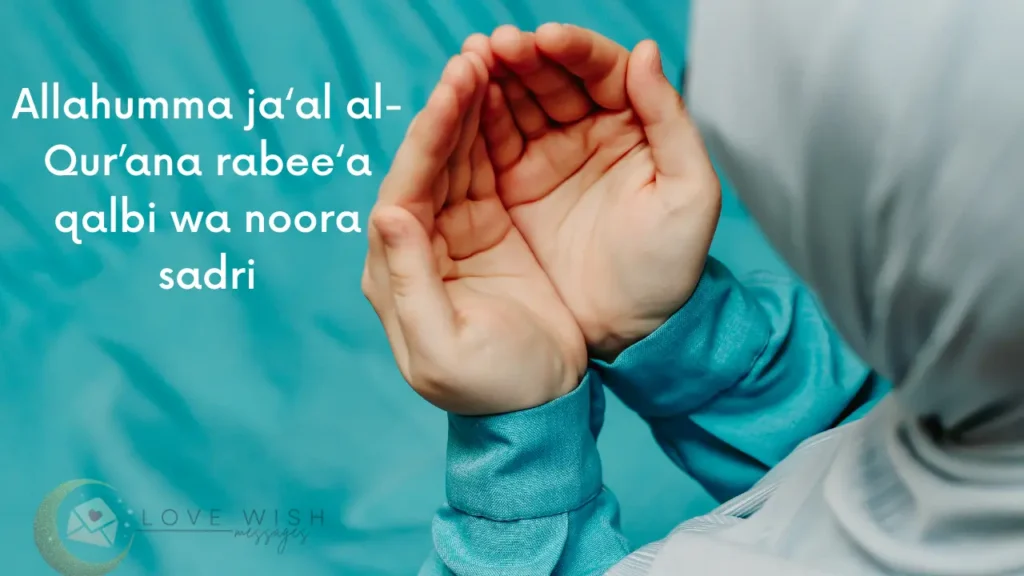
“O Allah, make the Qur’an the spring of my heart and the light of my chest.”
Laylat al Qadr Prayer (Qiyam al-Layl)
The most important act of worship during these nights is the laylat al qadr prayer, which is performed through night prayer known as Qiyam al-Layl.
Qiyam al-Layl means standing in prayer during the night and includes several forms of worship.
Taraweeh
Taraweeh is the congregational night prayer performed during Ramadan after the Isha prayer. Many mosques recite the entire Qur’an gradually throughout the month during Taraweeh.
Tahajjud
Tahajjud is voluntary prayer performed late at night after waking from sleep. It is one of the most beloved forms of worship.
Nafl Prayer
Nafl prayers are voluntary prayers that Muslims perform beyond the five daily obligatory prayers.
The Prophet Muhammad (peace be upon him) said:
“Whoever stands in prayer during Laylat al Qadr with faith and hoping for reward will have his past sins forgiven.”
(Sahih al-Bukhari and Sahih Muslim)
Because of this promise, many believers spend long hours performing the laylat al qadr prayer during the final nights of Ramadan.
Khatm al-Qur’an : Completing the Qur’an
One of the most beloved traditions connected to Laylat al Qadr is Khatm al-Qur’an, which means completing the entire recitation of the Qur’an.
Since Laylat al Qadr marks the night when the Qur’an was revealed, finishing its recitation during the final nights of Ramadan is a deeply meaningful act of worship.
Completing the Qur’an in the Mosque
Many mosques complete the Qur’an during Taraweeh prayers across Ramadan. The final portion is often recited during one of the last nights, followed by a long and emotional supplication.
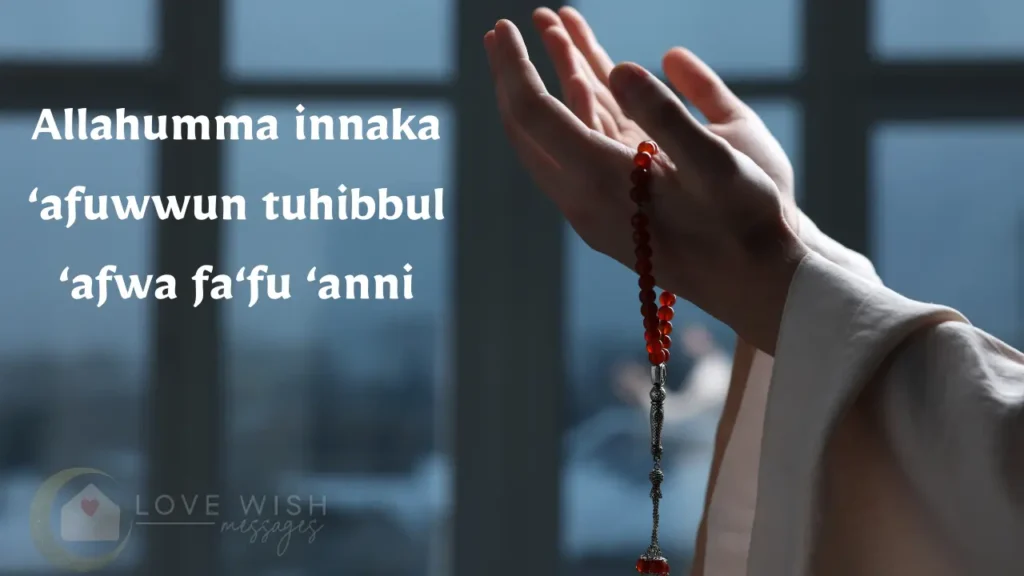
“O Allah, You are Most Forgiving and love forgiveness, so forgive me.”
Completing the Qur’an Individually
Some Muslims plan their personal recitation of the Qur’an so that the final section is completed during one of the odd nights.
Completing the Qur’an privately during the night and then performing the laylat al qadr prayer can be a deeply spiritual experience.
The Dua After Khatm al-Qur’an
After completing the Qur’an, scholars recommend making a long heartfelt supplication. Many early scholars would gather their families for this moment because it is considered a time when prayers are especially likely to be accepted.
How to Perform the Laylat al Qadr Prayer
The laylat al qadr prayer does not have a fixed number of rakats. Muslims can pray as much as they wish throughout the night.
A simple method for voluntary night prayer is:
- Make a sincere intention for prayer.
- Pray two rakats at a time.
- Recite Surah Al-Fatiha.
- Recite another surah from the Qur’an.
- Perform ruku and sujood with humility.
- End with tasleem.
- Repeat as many times as desired.
Common surahs recited include:
- Surah Al-Ikhlas
- Surah Al-Falaq
- Surah An-Nas
However, any portion of the Qur’an may be recited during the laylat al qadr prayer.
The Essential Dua of Laylat al Qadr
Aisha (RA) once asked the Prophet Muhammad (peace be upon him):
“What should I say if I find Laylat al Qadr?”
He replied:
Allahumma innaka ‘afuwwun tuhibbul ‘afwa fa‘fu ‘anni
Meaning:
O Allah, You are Most Forgiving and You love forgiveness, so forgive me.
This supplication is considered the most important dua to repeat during the laylat al qadr prayer.
25 Powerful Duas to Recite on Laylat al Qadr
These supplications can be repeated during prayer or personal reflection.
- Astaghfirullah wa atubu ilayh
I seek Allah’s forgiveness and repent to Him. - Allahumma ighfir li
O Allah, forgive me. - Allahumma irhamni
O Allah, have mercy on me. - Allahumma ihdini
O Allah, guide me. - Allahumma aslih qalbi
O Allah, purify my heart. - Allahumma taqabbal minni
O Allah, accept my worship. - Allahumma zidni iman
O Allah, increase my faith. - Allahumma ajirni min an-nar
O Allah, protect me from the Fire. - Allahumma inni as’aluka al-jannah
O Allah, grant me Paradise. - Allahumma barik li fi ahli
O Allah, bless my family. - Allahumma barik li fi rizqi
O Allah, bless my provision. - Allahumma aslih li dini
O Allah, correct my religion. - Allahumma aslih li dunyaya
O Allah, improve my worldly life. - Allahumma inni as’aluka al-afiyah
O Allah, grant me well-being. - Allahumma la tuzigh qulubana
O Allah, keep our hearts firm. - Allahumma inni a’udhu bika min al-hammi wal-hazan
O Allah, protect me from worry and sadness. - Allahumma inni a’udhu bika min al-kasal
O Allah, protect me from laziness. - Allahumma inni a’udhu bika min al-bukhli
O Allah, protect me from miserliness. - Allahumma inni a’udhu bika min ghalabatid-dayn
O Allah, protect me from overwhelming debt. - Allahumma inni as’aluka husnul khatimah
O Allah, grant me a good ending. - Allahumma ihfaz ahli wa awladi
O Allah, protect my family. - Allahumma aslih ummata Muhammad
O Allah, guide the Ummah of Muhammad. - Allahumma taqabbal siyamana wa qiyamana
O Allah, accept our fasting and prayers. - Allahumma ballighna Laylat al Qadr
O Allah, allow us to witness Laylat al Qadr.
Practical Tips to Maximize Laylat al Qadr Prayer
To make the most of Laylat al Qadr:
- Begin worship after Isha prayer.
- Attend Taraweeh prayers in the mosque if possible.
- Wake up for Tahajjud before Fajr.
- Complete your recitation of the Qur’an.
- Repeat the essential Laylat al Qadr dua frequently.
- Limit distractions such as phones and social media.
Even small acts of sincere worship during the laylat al qadr prayer can carry enormous reward.
More Islamic Inspiration and Messages
Laylat al Qadr is a time for reflection, gratitude, and renewed faith. Along with performing the laylat al qadr prayer, many believers seek uplifting reminders that strengthen their connection with Allah during the blessed nights of Ramadan.
During the blessed nights of Ramadan, believers increase their supplications and turn to Allah with sincere hearts while performing the laylat al qadr prayer. These nights are a powerful time to ask for forgiveness, healing, guidance, and peace of mind. Many Muslims make personal duas for their health, their families, and their spiritual well-being.
If you are looking for more meaningful supplications, you may also explore Islamic Dua for Sick Person for prayers seeking healing, Powerful Dua for Healing in Islam for spiritual and physical recovery, and Dua for Anxiety and Overthinking for moments when the heart feels overwhelmed.
For those planning a sacred journey, you can also read Dua to Go for Hajj and Umrah and ask Allah to grant you the opportunity to visit the holy cities while seeking His mercy during the blessed nights of worship.
Conclusion
The laylat al qadr prayer is one of the greatest opportunities for spiritual renewal in Islam. Through night prayer, Qur’an recitation, Khatm al-Qur’an, and heartfelt supplication, believers seek the immense mercy promised during this blessed night.
These nights remind us that even a single sincere prayer can transform our hearts and bring us closer to Allah.
Final Dua
May Allah allow us to witness Laylat al Qadr, accept our prayers, complete our recitation of His Book, forgive our sins, and grant us sincere hearts in worship.
Ameen.